Businesses not often speak approximately labeling infrastructure till something breaks. A cargo will get behind schedule due to the fact goods can’t be validated without delay. A warehouse workforce spends hours scanning mismatched barcodes. A targeted visitor questions authenticity after receiving a product that appears fairly off. These moments divulge how valuable id structures honestly are. Over the final decade, QR era has quietly emerge as one of the most so much risk-free equipment for fixing these troubles at scale.
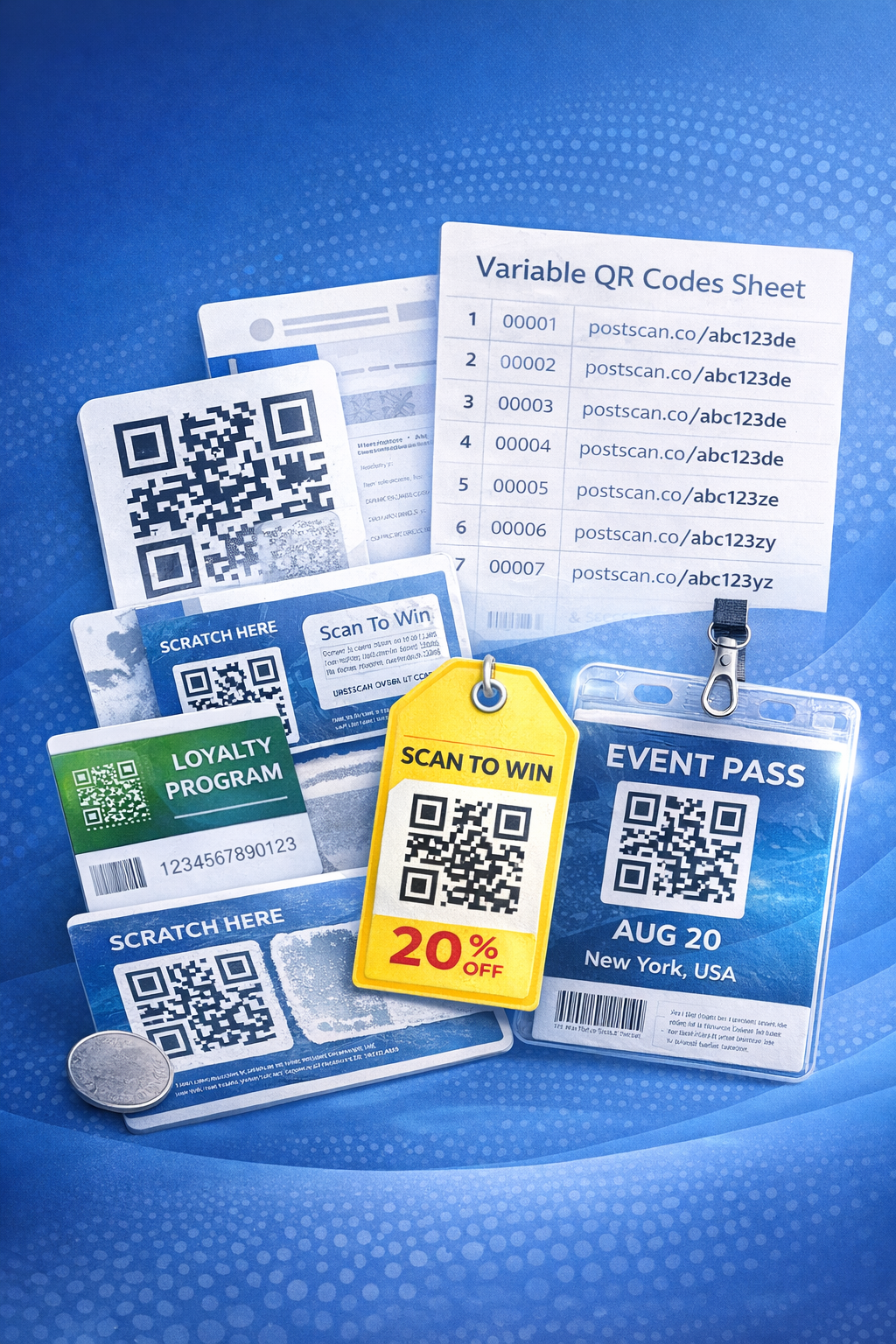
Large scale variable QR code printing isn’t pretty much inserting a square code on a label. It consists of records management, construction precision, and integration with packaging, logistics, and verification methods. When performed successfully, it turns typical packaging right into a traceable files aspect which may stream thru worldwide provide chains with out shedding its id.
Where QR Code Printing Actually Starts
Most services first bump into QR technology simply by advertising and marketing campaigns. A code revealed on a flyer or poster leads clientele to a touchdown web page. Industrial use could be very diversified. In production and logistics environments, the code will become a electronic passport connected to a physical object.
That is why QR code printing for packaging has turn into an important element of construction planning. When packaging traces are configured efficiently, every product leaving the line carries its possess scannable identifier. Teams can test shipments, hint product circulate, and get admission to batch archives within seconds.
Companies that adopt QR codes for product packaging more commonly beginning small. A restrained batch run for inside tracking. A pilot manner for warehouse verification. Once groups see the performance earnings, the process expands unexpectedly throughout packaging, distribution, and even retail engagement.
Security Pressures Driving QR Adoption
Counterfeiting is no longer restricted to luxurious items. Electronics, prescription drugs, cosmetics, and even delicacies products are actually primary goals. That force has driven many brands in the direction of steady identification applied sciences.
Anti counterfeit QR code labels allow organisations to attach verification tips at once to items. When scanned, the code can connect to a stable database that confirms authenticity, batch foundation, and manufacturing details.
In sectors similar to healthcare, product authentication QR printing has develop into a habitual a part of packaging compliance. The code is helping pharmacists, vendors, and regulators verify that medicine originated from a valid construction line.
The equal concept applies in logistics. Track and trace QR labels allow shipments to go across varied distribution aspects although preserving a constant virtual report in their trip.
When Printing Volume Becomes the Real Challenge
Producing several thousand QR labels is simple. Printing millions introduces a completely exceptional degree of complexity. Data would have to continue to be synchronized with printing machinery, packaging traces, and inventory approaches.
That is the place serialized label printing enters the procedure. Each printed label contains a special identifier attached to a database entry. These identifiers will have to remain sequential and traceable with out duplication or knowledge loss.
Manufacturers on the whole depend upon specialised partners able to producing industrial serialized labels that resist dealing with, temperature transformations, and warehouse prerequisites. Durability will become simply as fabulous as archives accuracy.
In logistics operations, the device expands additional with asset tracking QR labels used for pallets, machine, and reusable packing containers. Warehouse teams depend upon these labels for truly time inventory circulation.
Inside a Modern Warehouse Labeling Workflow
Walk into a vast distribution midsection and the scale will become transparent. Thousands of pieces movement thru scanning points every hour. Without legit labeling, that complete workflow slows down.
Facilities that rely on warehouse QR label printing most often concentration on a number of real looking priorities:
Accurate scanning across the various lighting prerequisites.
Durable ingredients that continue to exist friction and temperature shifts.
Fast printing platforms that store tempo with packaging traces.
Clear files integration with stock administration instrument.
Consistent label placement for nontoxic scanning.
Even small layout important points matter. Slightly expanding the distinction of the broadcast code can dramatically minimize scanning delays during height warehouse hours.
Regulated Industries and Serialization Requirements
Few industries face stricter labeling requisites than pharmaceuticals. Many international locations require serialized identifiers on healing packaging so that each and every product should be would becould very well be traced all through the deliver chain.
Manufacturers hence have faith in pharmaceutical QR code labels to glue packaging with regulatory databases. The code hyperlinks to creation files, expiration dates, and distribution details.
To care for compliance, companies mostly enforce full serialization label printing methods integrated promptly with manufacturing tool. These tactics generate identifiers immediately and confirm each and every printed code corresponds to the perfect product batch.
Labels used in these environments also serve regulatory reporting. That is why many organizations require really good compliance QR labels designed for verification audits.
Regional Production and Global Distribution
Large organisations not often operate inside a unmarried marketplace. Products is also synthetic in a single region, packaged in one other, and allotted all over the world. QR labeling programs thus desire to feature across international manufacturing environments.
Printing companies most commonly concentrate on extraordinary regions. For example:
Variable QR code printing USA as a rule supports household production and retail distribution.
Bulk QR code printing UK is generally used for logistics and retail packaging throughout Europe.
Companies would associate with a QR code label enterprise Europe when serving EU markets.
Operations within the Middle East often times rely upon serialized label printing UAE amenities.
Retail packaging lines many times request QR code printing Australia for local distribution.
These neighborhood potential determine services can safeguard regular labeling necessities devoid of transport labels throughout continents.
Marketing Uses That Go Beyond Packaging
While industrial tracking remains the spine of QR strategies, advertising and marketing teams have also embraced the technologies in resourceful approaches. Printed codes let groups to bridge actual merchandise and digital stories.
Retail promotions generally consist of QR code scratch playing cards printing wherein consumers show a code under a scratch layer. The scan might liberate a prize, check eligibility, or connect to a promotional web page.
Similarly, loyalty methods now depend on loyalty QR code printing that links clients in an instant to membership money owed. Retailers distribute coupon QR code printing bulk for good sized advertising campaigns, certainly while actual packaging plays a primary role in merchandising.
Brands launching seasonal campaigns occasionally comprise promotional QR code printing promptly on packaging, turning favourite merchandise into interactive marketing channels.
The Technology Behind Dynamic QR Systems
Static codes only save knowledge. Modern manufacturing environments an increasing number of rely upon dynamic QR code printing, the place the printed code hyperlinks to a cloud structured procedure able to updating content material or tracking interactions.
This flexibility helps organisations to replace touchdown pages, track product scans, or update authentication programs devoid of reprinting packaging.
For brands generating top volumes, competent bulk QR code printing approaches are major. Printers needs to protect speed with out sacrificing clarity or test reliability.
Many packaging operations ultimately undertake complete scale variable QR code printing workflows. Each code becomes detailed, permitting specified tracking across furnish chains, warehouses, and retail environments.
Organizations exploring widespread scale labeling solutions basically begin by using examining tested production items and case examples. A precise breakdown of this manner can be observed here: QR code label manufacturer Europe, which illustrates how based dynamic QR code printing and bulk QR code printing structures toughen product authentication, traceability, and operational visibility.